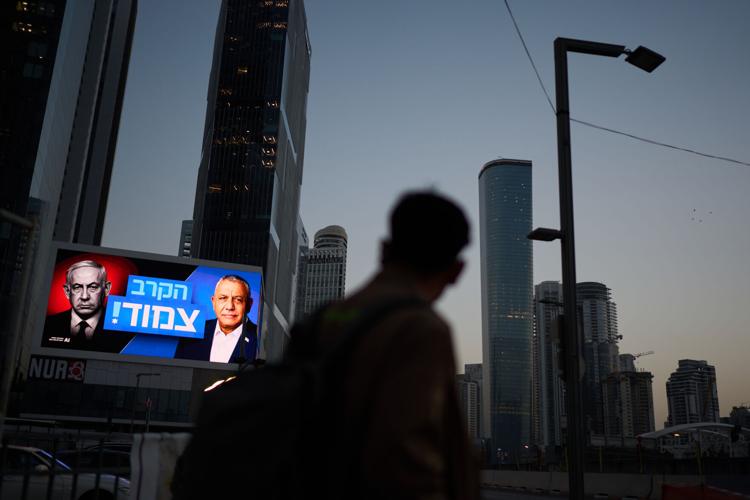





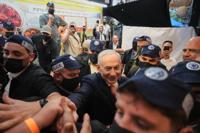

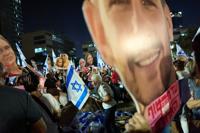

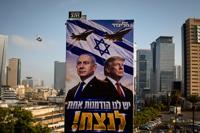



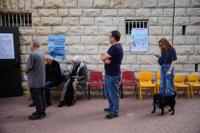

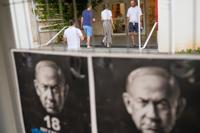

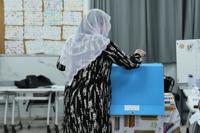

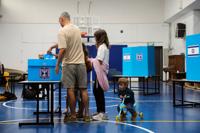





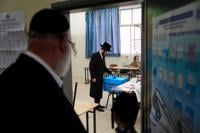



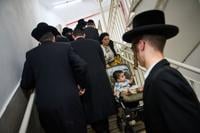

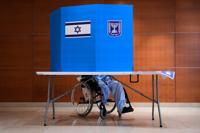

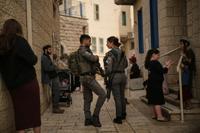


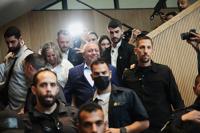



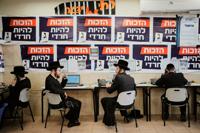

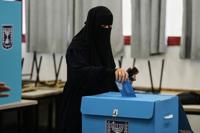

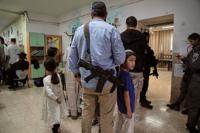



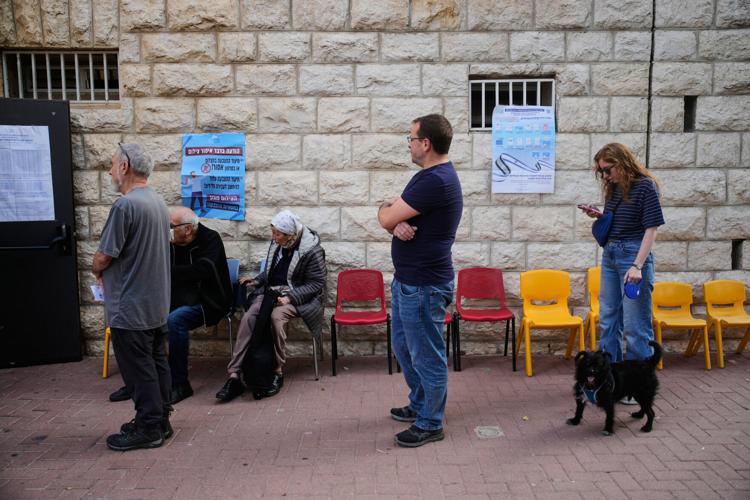
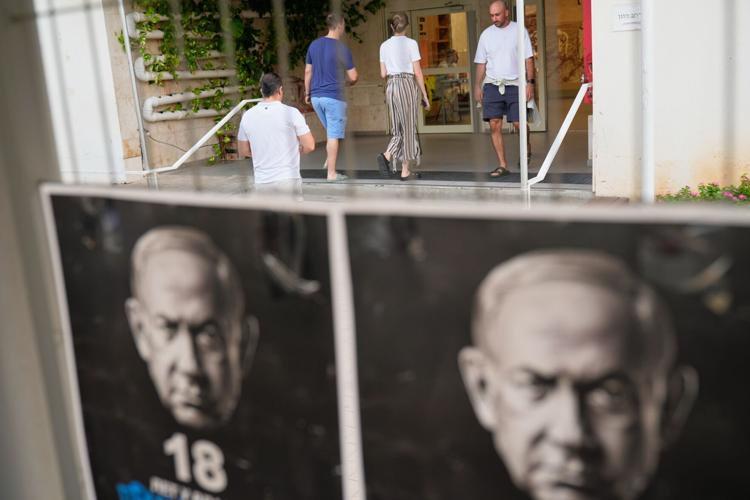
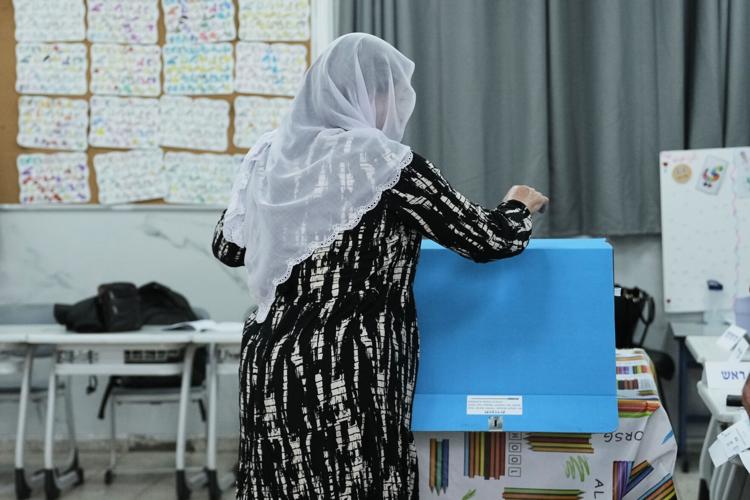
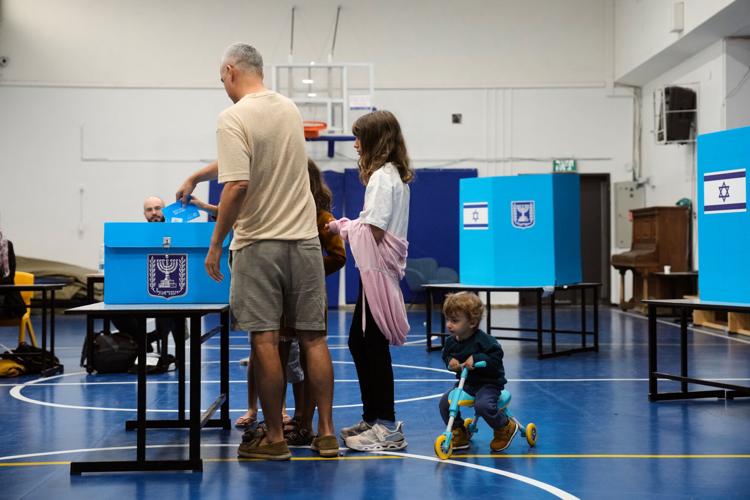
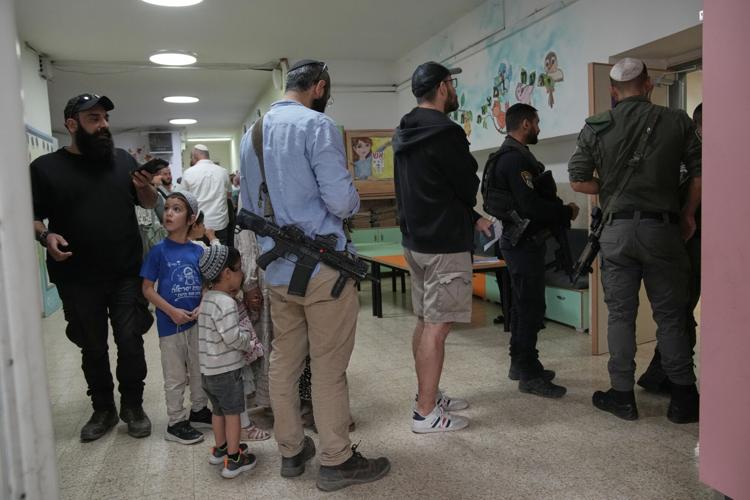
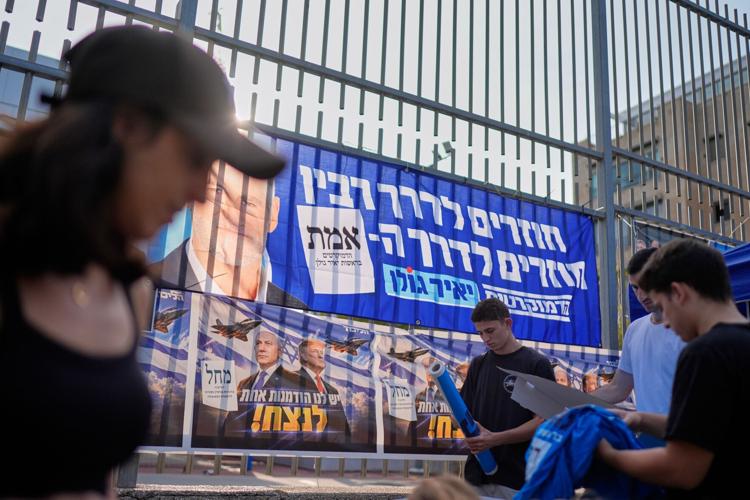
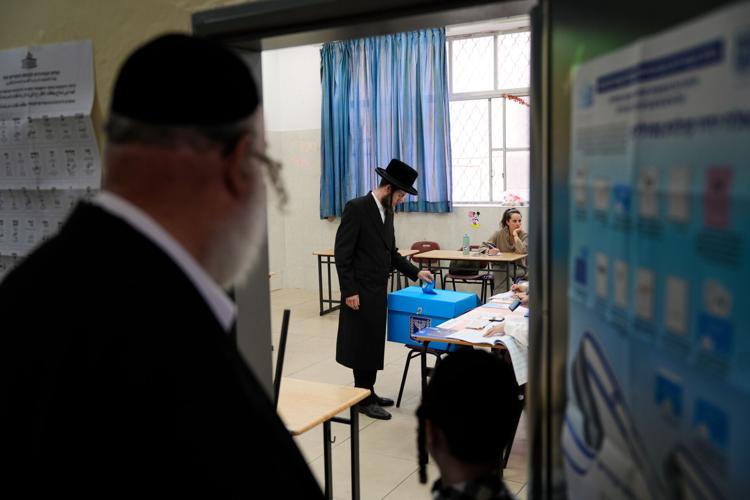
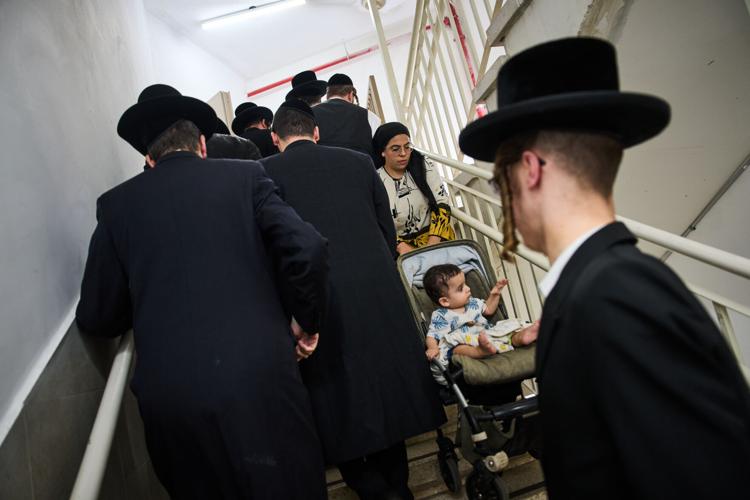
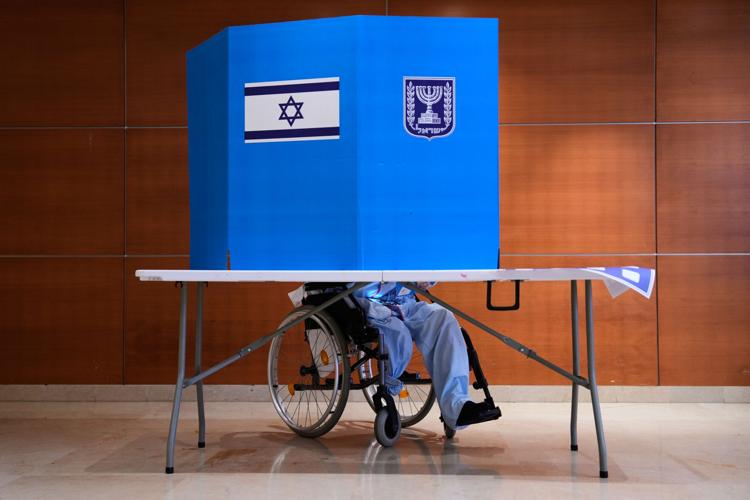
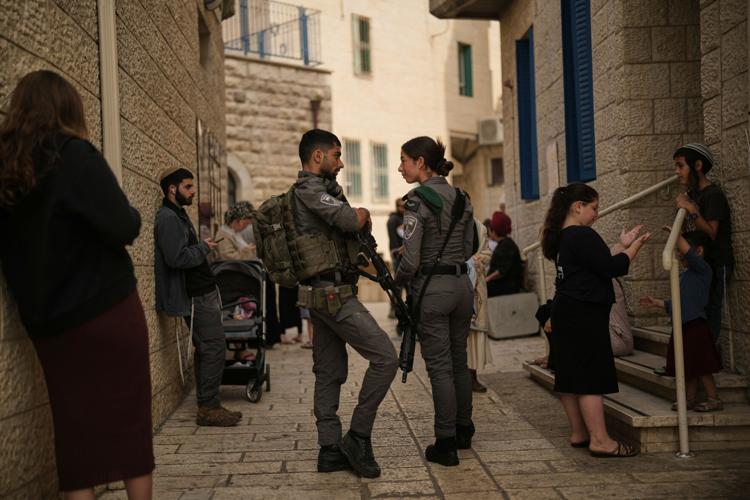
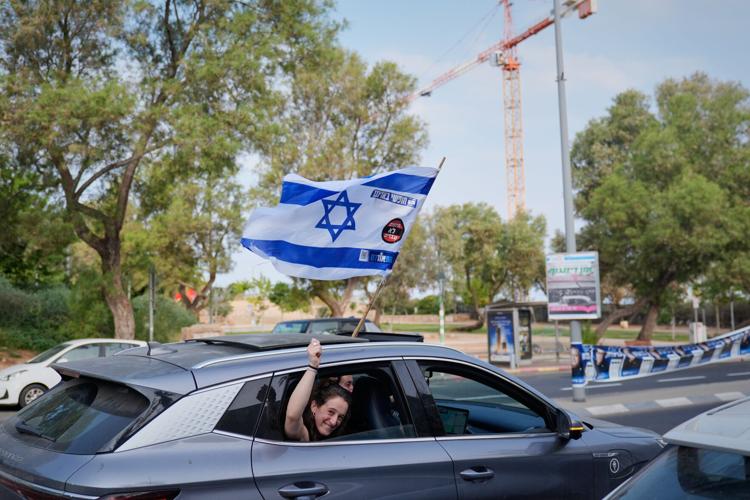
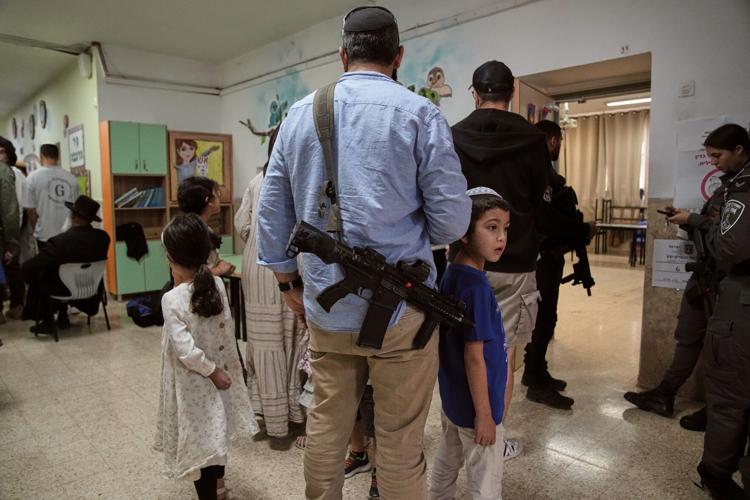
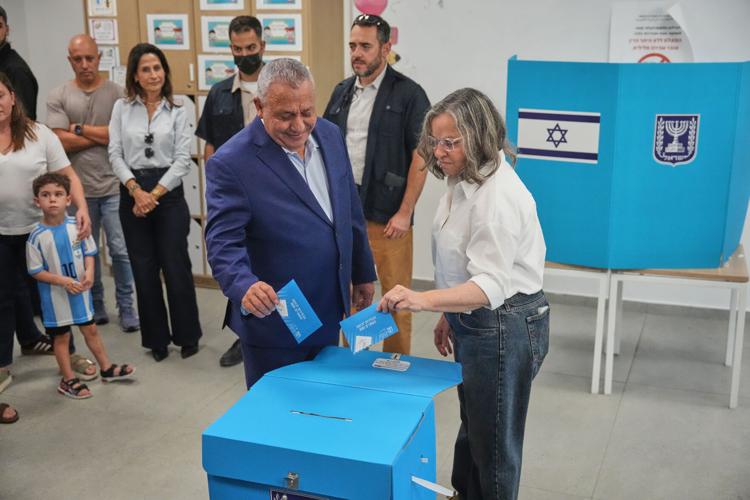
JERUSALEM (AP) — Israelis are voting in a pivotal election Tuesday as their country wrestles with unresolved wars, lingering grief and anger over Hamas' Oct. 7, 2023, attack, and deep divisions over its longest-serving leader, Prime Minister Benjamin Netanyahu.
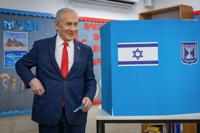
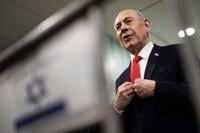
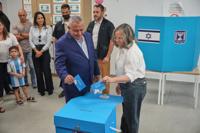
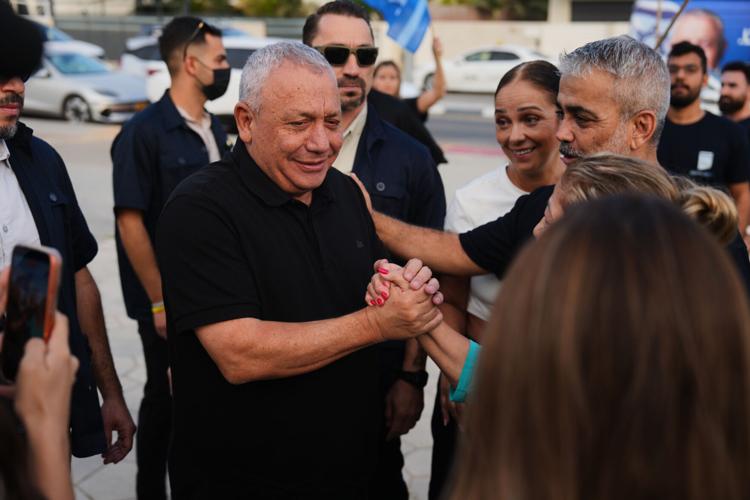
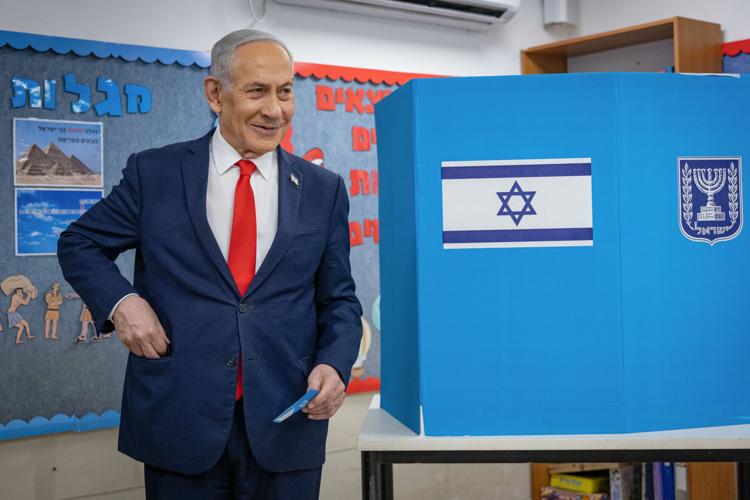
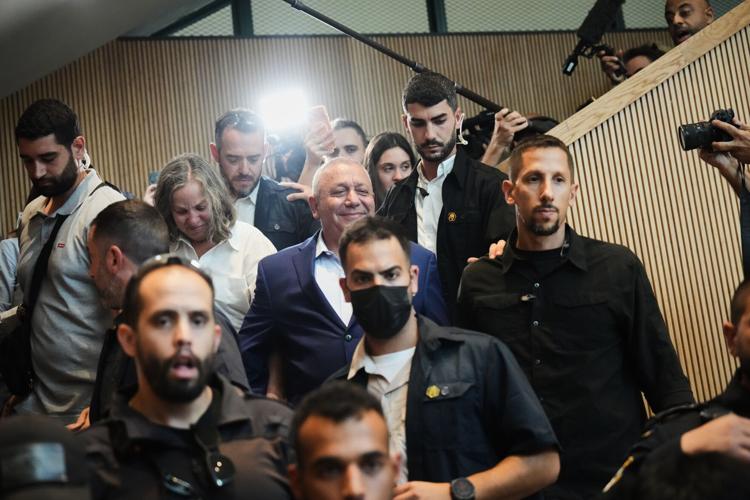
Netanyahu, who voted just after midday, faces an array of parties seeking to drive him from power. Opinion polls have suggested a tight race with his main rival, former military chief Gadi Eisenkot.
Nearly 56% of eligible voters had cast ballots by 4 p.m., the highest turnout by that point since at least 1973, according to the Central Elections Committee. Exit polls late Tuesday will provide the first indication of how Israelis voted, with official results tallied in the coming days.
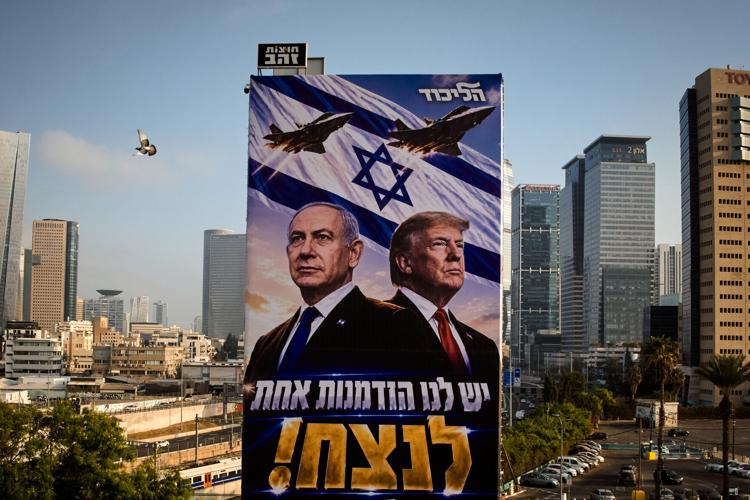
The race is widely seen as a referendum on Netanyahu’s nearly unbroken 17-year rule, which had left Israelis bitterly divided on a host of issues even before the deadliest attack in its history. The resulting wars in Gaza, Lebanon and Iran, along with settler violence in the occupied West Bank, have stoked worldwide outrage, straining ties with Israel’s closest allies and fueling a rise in antisemitism.
Among Israelis, the election is widely seen as a struggle over the character of the state, pitting Netanyahu and his ultranationalist and religious allies against those seeking to preserve its liberal and secular foundations.
Over 7 million people are eligible to vote, and tens of thousands have reportedly arrived from overseas.
Arab turnout could be crucial
In Israel's fragmented parliamentary politics, no single party has ever won an outright parliamentary majority. There is a chance that neither Netanyahu's coalition nor the group of parties hoping to remove him has enough support for a majority. That could set off weeks of negotiations before a leader is declared.
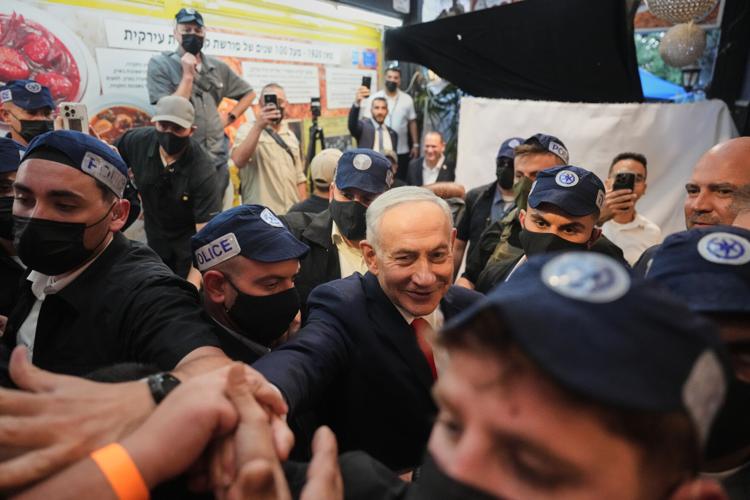
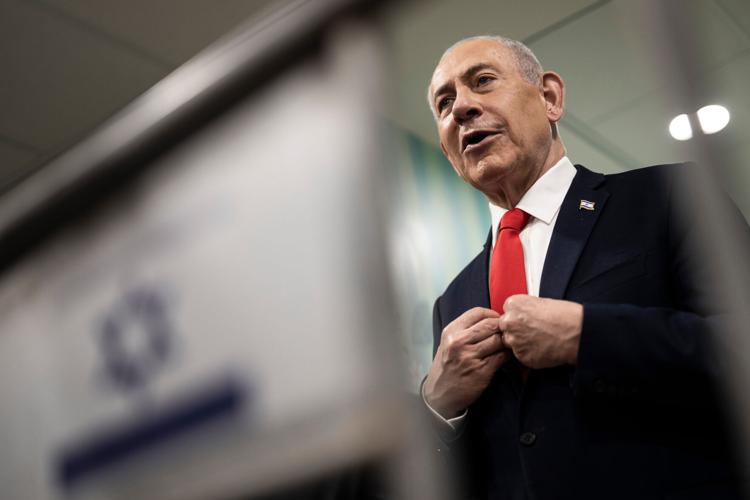
“This is a very moving and fateful moment,” Netanyahu said. He told journalists after voting that he believes the Arab parties that could make or break the election “are receiving massive, truly massive, support. They are heading to the polls in unprecedented numbers.”
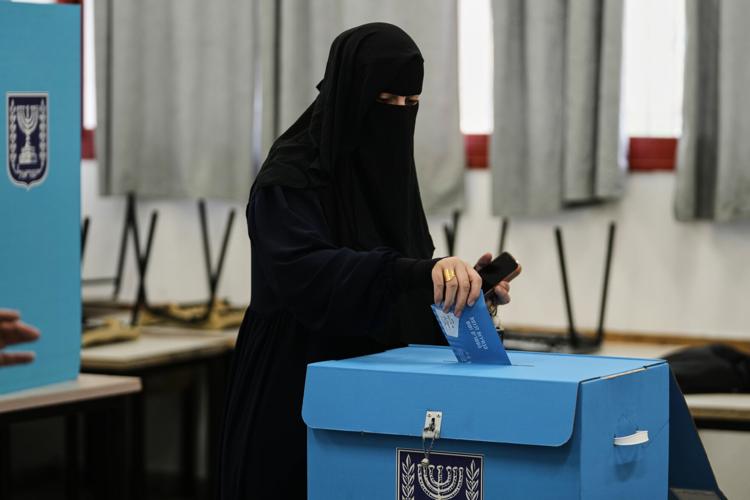
Netanyahu in past elections has warned of high Arab turnout to energize his own right-wing voters. While he did not provide evidence for his latest claim, turnout appeared to have increased significantly in Arab communities and liberal bastions, according to data from the Central Elections Committee.
In another sign of concern, Netanyahu’s right-wing Likud party petitioned to extend voting hours past 10 p.m. Eisenkot rejected the move and called on voters to ignore Netanyahu's “scare tactics.”
Israel's Arab-led parties could emerge as kingmakers — if other parties agree to join forces with them.
“Our vote will change the government,” Mansour Abbas, head of the Islamist Ra’am party. Arabs in Israel make up about 20% of the population.
Israel’s far-right national security minister, Itamar Ben-Gvir, known for taunting Palestinian detainees and saying some Palestinians in Gaza are “not even people,” warned that “it will be Mansour Abbas’ government” if Netanyahu and his allies don’t win.
The higher turnout in areas where many support the opposition could spell trouble for Netanyahu, said Ofer Kenig, a research fellow at the Israel Democracy Institute, a Jerusalem think tank.
“But Netanyahu has before managed to mobilize voters in the dying hours of the election day, so a lot of caution is needed," he added.
Emotions run high among some voters
Some voters' emotions ran high. In Kiryat Shmona, a Netanyahu stronghold near the border with Lebanon, one man kicked and tore down a poster of Eisenkot.
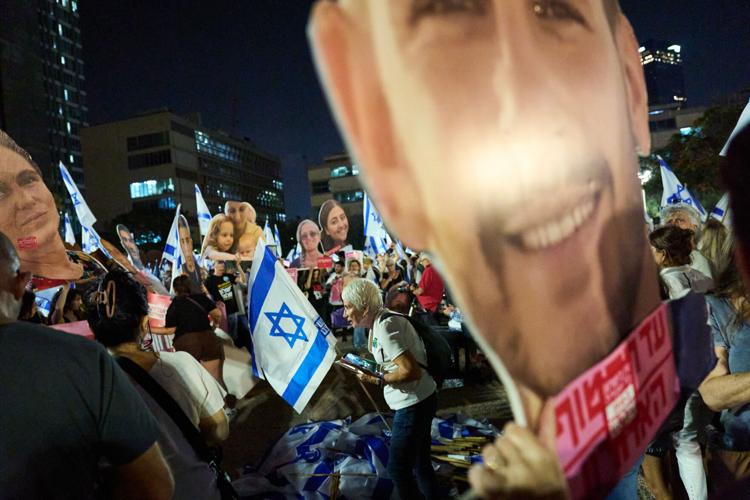
The election is Israel's first national vote since the Oct. 7 attack that sparked the war in Gaza and related conflicts. In Tel Aviv, families of some killed on Oct. 7 or former hostages held a moment of silence. “Remember all those whose voices are no more,” said Yona Adam, whose daughter Mapal Adam was killed.
Around 330,000 young Israelis, many facing compulsory military service under the shadow of war, are eligible to vote for the first time.
Eisenkot started the day by visiting communities attacked on Oct. 7. “If someone in the government had a shred of responsibility, they would start the morning here” in the communities near Gaza, he said.
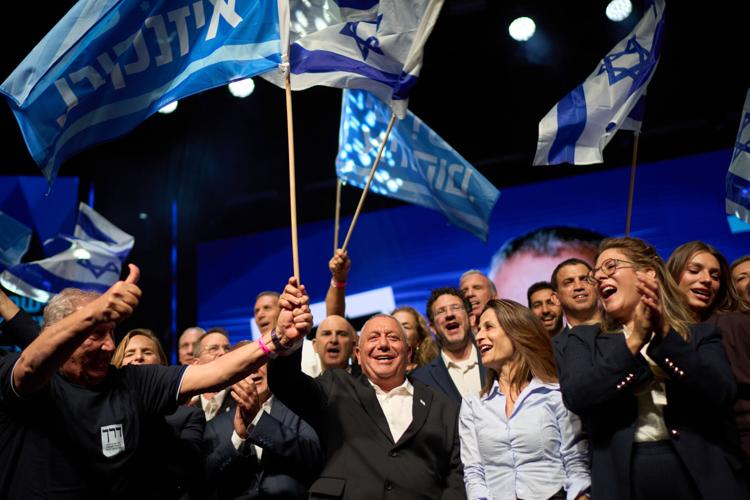
Standing in a cheering crowd, Eisenkot called on all Israelis to vote to get rid of “the worst government Israel has known.” He noted that victory wasn’t certain, adding that “we are on perhaps the most critical day since the founding of the state.”
There were scattered allegations of irregularities and issues at polling stations, but Dean Livne, the acting director-general of the elections commission, said the number of complaints was so far much lower than in previous elections.
Security, military conscription and integrity are top issues
Israel has found itself increasingly isolated over its conduct in Gaza and the West Bank. Public support among Americans has plummeted, and partners in Europe and elsewhere have slapped sanctions on Israel. Netanyahu faces an international arrest warrant over alleged crimes against humanity in Gaza, allegations he denies.
Also hanging over the election are lingering tensions with Iran. Netanyahu ramped up threats ahead of the vote, warning Tehran it would face “a devastating blow” if it attacked Israel.
Netanyahu's supporters see him as a steady hand and a consummate statesman who has led Israel through a war of redemption after the country's darkest hour. They think he is protecting Israel's security and Jewish identity in the face of international pressure and liberal elites at home.
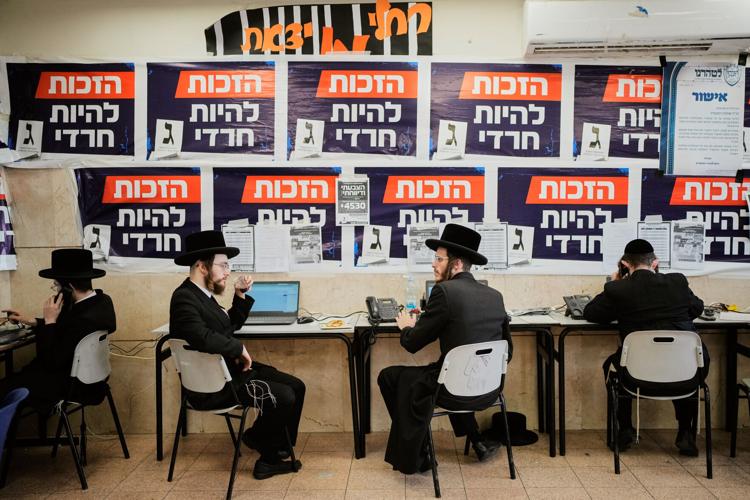
His detractors see him as a polarizing leader who, beset by an ongoing corruption trial, dragged out the war in Gaza and its hostage crisis for political reasons. They say he is undermining Israel's independent judiciary and weakening its democratic underpinnings. And they accuse him of abetting a system that has allowed ultra-Orthodox religious Jews to avoid military conscription.
“The present government is driving the country into the ground,” voter Angela Bengur said in Jerusalem.
Eisenkot is viewed by supporters as a capable leader with sterling security credentials who, along with his likely governing partners, could act as a bulwark against creeping illiberalism. As someone personally touched by the conflict — his son and two nephews were killed in Gaza — his backers believe that he feels deeply the pain that still courses through Israel.
Parties that likely would support Eisenkot have vowed to improve Israel's international standing and work to conscript ultra-Orthodox men while bolstering the independence of the judiciary.
The elections are about “who serves and who evades service — who takes an active part in building this country and who doesn’t,” said voter Nisso Shitrit in Jaffa.
Associated Press writers across Israel contributed.