


The Bureau of Reclamation and its partners are celebrating the beginning of a $23.3 million project. Officials held an official groundbreaking ceremony for a fish screen at Derby Dam.
"Today is a reinvestment," Brenda Burman, Commissioner of the Bureau of Reclamation said. "It's a modernization. It's bringing into the 21st century, infrastructure that has served us so well for 100 years but yes, it's reconnecting the fish with the river."
The Bureau of Reclamation built Derby Dam in 1905 as part of the Newlands Project. It diverts water from the Truckee River into the Truckee Canal, which carries irrigation water to the Fallon area. However, the dam created a dead end for the Lahontan Cutthroat Trout.
"They basically were stopped right here at the dam," Dan Mosley, Executive Director of the Pyramid Lake Fisheries said. "They were blocked from their ancestral spawning ground, which is way upstream."
"At one point, we thought the Lahontan Cutthroat Trout was extinct," Jody Holzworth, Deputy Regional Director of U.S. Fish & Wildlife Service said. "It's a fish species that's iconic. It can be up to 40 pounds and it traveled from Pyramid Lake all the way to Lake Tahoe as its historical grounds."
The Nevada State Fish is making a comeback, thanks to the efforts at Pyramid Lake Fisheries.
"In 2012, they started spawning on their own, which is a miracle," Holzworth said. "From there, we have been working really hard to try to put them back into their historic spawning grounds."
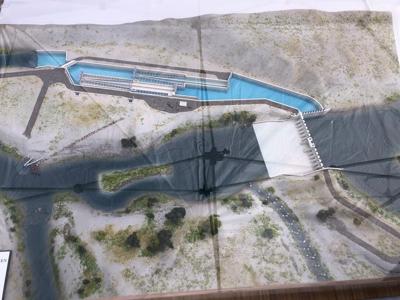
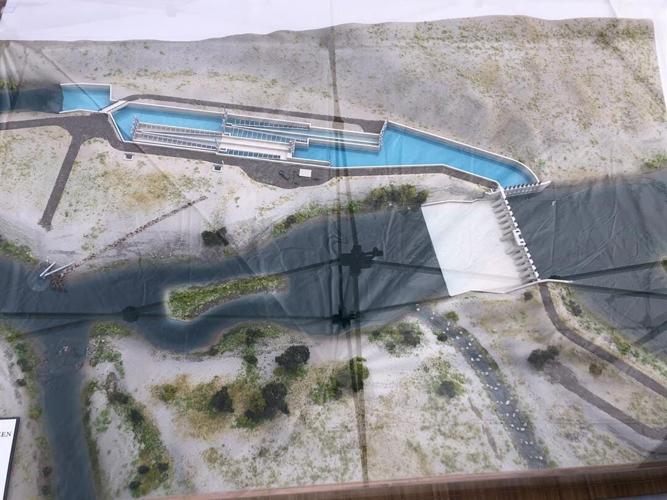
The fish screen will be the final phase to reconnect the fish to their native spawning grounds, possibly as far as Verdi. A fish bypass was built in 2001 but it will not be used until the fish screen is completed. The 80-foot-wide structure will stretch 390 feet on the Truckee Canal. Fish will eventually be able to swim up the bypass channel to the spawning grounds, then make their way back to Pyramid Lake by going through the horizontal fish screen, preventing them from swimming down the canal towards Lake Lahontan.
"We can maintain a uniform water level above the screen, and the fish, sticks and leaves stay in that main channel and go back to the river," Julie O'Shea, Director of the Farmers Conservation Alliance said. "It allows the fish to swim on the screen without having to touch anything and return to the river as quickly as possible."
Mosley says the Pyramid Lake Fisheries can raise about 500,000 Lahontan Cutthroat Trout, annually. He says the program is important to increase fish populations but that the species cannot thrive without the ability to return to its spawning grounds.
"They do a whole lot better and they are more wild and they act differently where they actually go into the river and spawn, turn back to the lake and actually acclimate to the lake water," Mosley said.
Mosley says the fish will not be able to make their way all the way to Lake Tahoe because there are still barriers in the way.
The fish screen is slated for completion in the fall of 2020.