
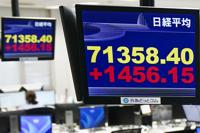
Shares are mostly lower in Europe after benchmarks in Japan and South Korea surged to new records after the U.S. and Iran signed their initial agreement ending the war. Oil prices fell. The rally in Asia followed a retreat Wednesday on Wall Street driven by speculation that the Federal Reserve may raise interest rates this year to curb inflation. The S&P 500 slumped 1.2% after the Fed released projections showing nearly half its policymakers foresee at least one increase to its main interest rate in 2026. The Dow Jones Industrial Average lost 1%. The Nasdaq composite sank 1.3%. Higher rates can tap the brakes on inflation, but they also slow the economy and hurt prices for investments.
From
To

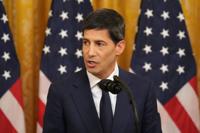
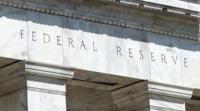
The Federal Reserve kept its key rate unchanged Wednesday yet nearly half the central bank’s policymakers said they could support a rate hike later this year, an unexpectedly aggressive outcome that would disappoint President Trump and suggests heightened concerns about persistent inflation. In an unusually short statement after their two-day meeting, Fed officials dropped language that had suggested their next move would be to cut their key rate. The brief statement reflects the influence of new chair Kevin Warsh, appointed by Trump, who has previously criticized the Fed for commenting too broadly on the economy.

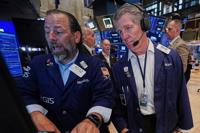
U.S. stocks dropped on speculation the Federal Reserve may raise interest rates this year to keep a lid on inflation. The S&P 500 slumped 1.2% Wednesday after the Fed released projections showing nearly half its policymakers foresee at least one increase to its main interest rate in 2026. The Dow Jones Industrial Average went from a gain of 0.5% in the morning to a drop of 1%, while the Nasdaq composite sank 1.3%. Treasury yields climbed on rising expectations for a hike to rates. Higher rates can tap the brakes on inflation, but they also slow the economy and hurt prices for investments.
Featured Top Story
The Federal Reserve kept its key rate unchanged Wednesday yet half the central bank’s policymakers said they could support a rate hike later this year.
WASHINGTON (AP) — For eight years, the United States has waged economic war on China, slapping big taxes on Chinese products before they enter…

AP
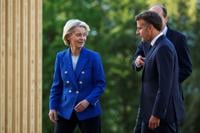
For eight years, the United States has waged economic war on China, slapping big taxes on Chinese products before they enter America. But the campaign hasn’t dented China’s industrial prowess. The world’s second biggest economy is exporting more products than ever. It’s just redirecting them away from the U.S. tariff wall and toward more open markets in Europe and elsewhere in Asia. The shift in Chinese trade risks creating a European sequel to the China Shock that wiped out hundreds of thousands of factory jobs in the American heartland in the 2000s and contributed to the political upheaval that put Donald Trump in the White House twice.


Even with a deal to reopen the Strait of Hormuz, it could take weeks or months for oil to fully flow
The tentative agreement to end the war in Iran and reopen the Strait of Hormuz would be good news for the global economy. But oil won't simply start flowing through the key shipping artery the way it did before the war. Then, it carried a fifth of the world's crude. Now, it will take time for hundreds of ships trapped in the Persian Gulf to exit through the narrow strait. And Gulf oil producers that throttled back production will need time to get oil moving again. And ship captains may take their time deciding it's safe and that the threat of attack from Iran has truly receded.

GENEVA (AP) — Riot police fired tear gas and water cannons in clashes with stone-throwing youths during a protest on Sunday in Geneva against …

NEW YORK (AP) — Catapulted by the market debut of his rocket company SpaceX, Elon Musk is now the world's first trillionaire.

PARIS (AP) — Canadian Prime Minister Mark Carney has arrived in Europe for the upcoming G7 summit, where he is expected to make a more muted c…