APTOPIX Iran War Strait of Hormuz

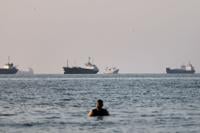
A person stands in shallow water as cargo and commercial vessels are anchored in the Strait of Hormuz off Bandar Abbas, Iran, Monday, June 8, 2026.
As featured on


The U.S. military launched airstrikes and Iran retaliated following the crash of an Army helicopter near the Strait of Hormuz that U.S. President Donald Trump blamed on the Islamic Republic. Iran launched attacks Wednesday morning in Bahrain and Kuwait, which both sounded alerts and fired air defenses in response. Iran also said it targeted an air base in Jordan hosting U.S. forces, which was not immediately acknowledged by American or Jordanian officials. The war that started Feb. 28 has shaken the global economy, and officials have been unable to turn the April ceasefire into a deal to permanently end the conflict.
Even with a deal to reopen the Strait of Hormuz, it could take weeks or months for oil to fully flow
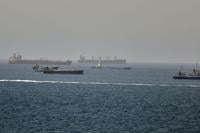
The tentative agreement to end the war in Iran and reopen the Strait of Hormuz would be good news for the global economy. But oil won't simply start flowing through the key shipping artery the way it did before the war. Then, it carried a fifth of the world's crude. Now, it will take time for hundreds of ships trapped in the Persian Gulf to exit through the narrow strait. And Gulf oil producers that throttled back production will need time to get oil moving again. And ship captains may take their time deciding it's safe and that the threat of attack from Iran has truly receded.

The U.S. agreement to immediately allow Iran to sell its oil freely and the offer to eventually lift all sanctions.

Get up-to-the-minute news sent straight to your device.