For some rural Nevadans, getting help for a health problem can mean traveling hours to see a specialist. Now, a $2.5 million investment at the University of Nevada, Reno aims to bring more health resources directly into communities, including efforts to address a troubling mental health crisis among Tribal youth.
UNR Extension received more than $2.5 million through the Rural Health Outcomes Accelerator Program, an initiative of the Rural Health Transformation Program administered by the Nevada Health Authority.
The funding will support four projects focused on youth mental health in Tribal communities, chronic disease prevention, nutrition education, and improving access to health services. The projects are scheduled to run from October 2026 through August 2027.
The need is particularly significant in rural Nevada, where nearly 80% of the state's health care resources are concentrated in urban areas. Rural residents also experience higher rates of chronic conditions such as heart disease and diabetes.
In Tribal communities, the challenges extend to youth mental health. Suicide rates among American Indian and Alaska Native youth ages 10 to 24 are more than double the national average for that age group.
The largest of the four projects, the NexGen Tribal Healing Project, received $1.4 million to support youth mental well-being, reduce substance misuse, and help prevent suicide.
Led by Extension Professor Staci Emm, the project will partner with four Nevada tribes to provide culturally grounded mentorship, mindfulness education and other activities through Extension's 4-H Youth Development Program.
The initiative will connect Tribal youth with elders who carry generations of cultural and ecological knowledge, giving young people opportunities to learn from their traditions while developing resilience and healthy ways to navigate life's challenges.
During its first year, the project aims to reach 200 Tribal youth and recruit 15 adult male mentors. Organizers also anticipate creating three to five workforce pathways connected to youth development, mentorship, and community wellness.
Participating tribes include the Walker River Paiute Tribe, Fallon Paiute-Shoshone Tribe, Pyramid Lake Paiute Tribe, and the Shoshone-Paiute Tribes of the Duck Valley Reservation.
Another project will focus on using traditional foods to help prevent and manage chronic diseases.
The Food Is Medicine Wellness Initiative received $500,000 to help Tribal communities address diabetes and heart disease by increasing access to healthy traditional and medicinal foods.
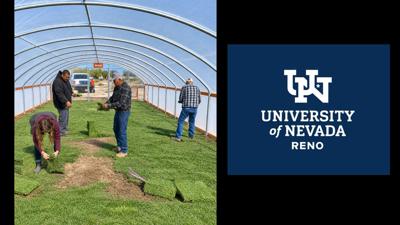
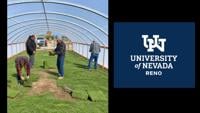
Also led by Emm, the project will expand Extension's hoop house and cultural harvest programs. Plans include building new hoop houses or upgrading existing ones in participating Tribal communities to increase access to locally grown food and strengthen food sovereignty.
The initiative will also provide cultural harvest workshops focused on the nutritional and medicinal uses of traditional foods. Project leaders will work with Tribal health systems to explore ways to incorporate traditional foods and healing practices into chronic disease prevention programs, including potential Medicaid reimbursement opportunities.
Participating tribes include the Shoshone-Paiute Tribes of the Duck Valley Reservation, Walker River Paiute Tribe, South Fork Band Council, Yerington Paiute Tribe, Duckwater Shoshone Tribe, Fallon Paiute-Shoshone Tribe, and the Washoe Tribe of Nevada and California.
The funding will also bring preventive health screenings into schools.
The Nutrition Outcomes Using Rural Integrated School Health Nevada project received $463,542 and is expected to reach approximately 8,500 students in Douglas, Pershing, and Elko counties.
Led by Macy Helm, Extension's director of statewide program initiatives, the project will provide free nutrition and fitness screenings. School nurses will be able to identify potential health concerns earlier and connect families with local intervention programs and health care providers when needed.
The project is supported by UNR's Orvis School of Nursing and School of Public Health.
A fourth project will focus on connecting patients with nutrition education through their health care providers.
The Digital Referral Pathway for Chronic Disease Screening and Nutrition Education project received $185,885 and will work with clinics in Lyon County to connect patients with chronic diseases to Extension's nutrition programs.
Led by Helm, Annie Lindsay, Extension state specialist and professor of public health, and Angeline Jeyakumar, assistant professor in the Department of Nutrition and Extension nutrition specialist for northern Nevada, the project will help residents use nutrition and lifestyle changes to better manage conditions such as diabetes and heart disease.
Patients will be referred to Extension programs, including Healing With Nutrition and Healthy Steps to Freedom.
Jake DeDecker, director of Extension and associate dean for engagement for the College of Agriculture, Biotechnology & Natural Resources, said the projects are designed to bring resources directly to the people who need them.
“Residents of rural Nevada shouldn’t have to leave their communities to get help staying healthy,” DeDecker said. “These projects bring critical resources and support directly into communities through schools, clinics, and partnerships with Tribal members and leaders who understand their communities’ unique needs and priorities. We are grateful for the opportunity to build upon Extension’s longstanding relationships across Nevada and work together to strengthen the health and well-being of Tribal communities.”
The four projects will run through August 2027, with a focus on expanding access to health resources and strengthening community-based efforts throughout rural, frontier and Tribal Nevada.